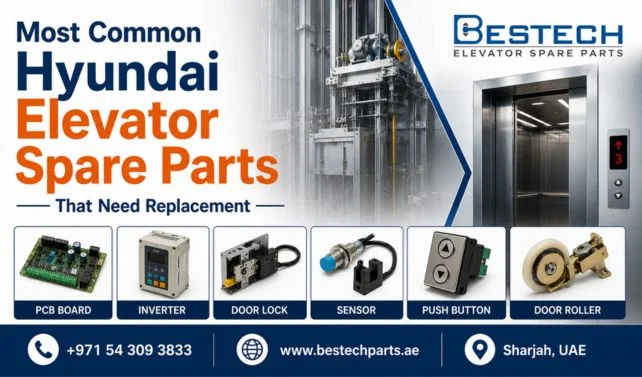
Thousands of Hyundai elevators operate across residential towers, commercial buildings, hospitals, and industrial facilities in the UAE. Like every elevator system, some components naturally wear out over time and require replacement to maintain safe operation.
Here, we'll discuss the most common Hyundai elevator spare parts that require replacement, why preventive maintenance matters, and tips for choosing the right replacement components for your Hyundai elevator.
Why Regular Replacement of Hyundai Elevator Spare Parts Is Important
1. Importance of Preventive Maintenance
Preventive maintenance plays a vital role in keeping Hyundai elevators safe, reliable, and operating at peak performance. Routine inspections identify early signs of wear, corrosion, or electrical degradation before they escalate into major failures.
During routine inspections in commercial buildings across the UAE, technicians often find that door locks, PCB boards, and sensors require replacement before complete failure occurs. Early replacement helps avoid costly shutdowns.
2. Benefits of Replacing Worn Components Before Failure
Replacing parts before failure reduces emergency repair costs and prevents collateral damage. Scheduled replacements improve inventory management and budgeting, allowing maintenance teams to execute repairs quickly.
3. Impact on Passenger Safety and Performance
Worn door locks, faulty sensors, or degraded PCB boards create hazardous conditions. Timely replacement ensures safety mechanisms function correctly and provides smoother rides.
Most Common Hyundai Elevator Electrical Spare Parts That Need Replacement
Electrical components are the heart of every elevator system. They control movement, communication, safety functions, and overall operation.
Below are some of the most commonly replaced electrical parts.
PCB Boards
Printed Circuit Boards (PCBs) act as the control center of an elevator. They process signals and coordinate communication between various elevator systems.
Common causes of failure include:
- Power fluctuations
- Heat damage
- Moisture exposure
- Component aging
Signs that indicate replacement include controller errors, communication failures, or unresponsive elevator functions. High-quality replacement boards are available from trusted Hyundai elevator PCB board suppliers to ensure reliable system performance.
Inverters
The inverter regulates motor speed, allowing smooth acceleration and deceleration during elevator travel.
Over time, inverters may fail because of:
- Voltage fluctuations
- Continuous heavy operation
- Internal component wear
- Poor ventilation
Replacement is recommended when the elevator experiences jerky movement, inconsistent speed, frequent fault codes, or sudden stops.
Contactors
Contactors control the electrical supply to the elevator motor and other critical equipment. Since they switch electrical loads thousands of times, their contact surfaces gradually wear out.
In real maintenance projects:
- Clicking noises
- Burned contacts
- Failure to engage
- Intermittent elevator operation
Circuit Breakers
Circuit breakers protect elevator systems from overloads and electrical faults. A breaker that repeatedly trips or shows signs of overheating should be replaced to prevent larger electrical problems.
Replacement becomes necessary when:
- Breakers trip repeatedly
- Internal mechanisms weaken
- Visible damage appears
Reliable breakers reduce electrical risks and prevent expensive component failures.
Cables and Wires
Power cables and communication wiring connect every major elevator component.
Over time, they may develop:
- Damaged insulation
- Loose connections
- Corrosion
- Mechanical wear
Replacing damaged cables improves system reliability while reducing electrical hazards.
Frequently Replaced Hyundai Elevator Door System Parts
The elevator door system performs thousands of opening and closing cycles every month, making it one of the most frequently serviced sections of the elevator.
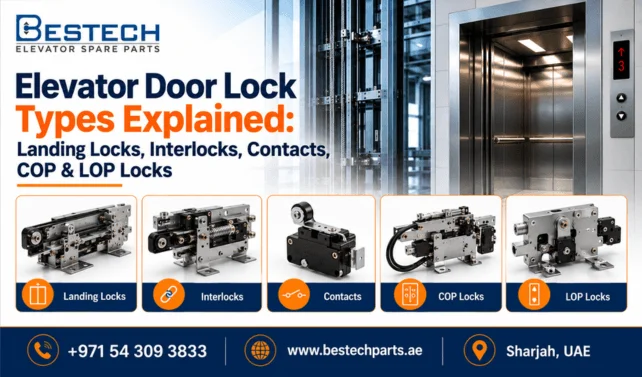
1. Door Locks
Door locks prevent elevators from moving unless the doors are securely closed. Common signs of a faulty door lock include the elevator refusing to move or the doors reopening unexpectedly. Using genuine parts for Hyundai elevator door lock replacement helps ensure smooth operation and long-term durability.
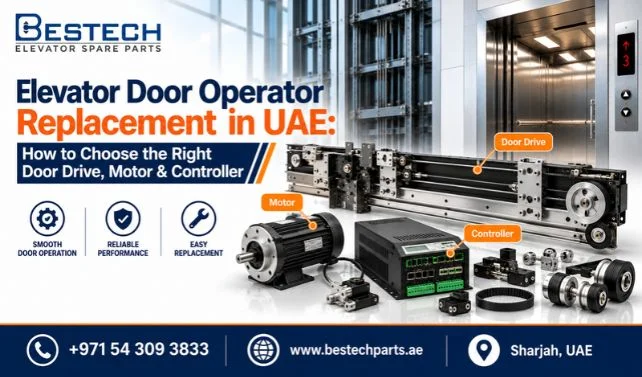
2. Door Drives and Motors
Door drives and motors control the opening and closing of elevator doors. Replacing worn components with compatible parts helps restore smooth, reliable door movement.
3. Door Wheels
Door wheels guide door panels along their tracks. Flat spots, cracks, or bearing failure can cause rough movement and vibration. Timely replacement helps prevent serious damage to the door system.
4. Door Sliders
Door sliders stabilize the door panels while they move. Worn sliders can cause vibration, rough operation, and additional wear on other door components. Replacing these parts early prevents more expensive repairs.
Hyundai Elevator Control System Components
The control system ensures accurate floor selection, safe operation, and smooth passenger movement.
1. Push Buttons
Push buttons register floor selections and elevator commands. Constant use can wear down the contacts and cause the button legends to fade over time. For buildings in the UAE, source Hyundai elevator push buttons from a trusted local supplier to ensure compatibility and compliance with local standards.
2. Sensors
Sensors detect obstructions, position, load, and speed. Dirt buildup, misalignment, and electrical degradation can cause inaccurate readings.
High-quality Hyundai elevator switches and sensors ensure reliable performance.
3. Signalization
Floor indicators and direction arrows provide passengers with important travel information. Dead LED pixels and speaker failures may require replacement over time. A trusted Hyundai elevator display board supplier can provide compatible replacement boards that meet your system's requirements.
4. Encoders
Encoders measure the elevator car's position and speed to ensure precise leveling. Bearing wear and contamination can reduce their accuracy, leading to poor leveling and erratic speed control. Replacing a faulty encoder helps restore smooth and accurate elevator operation.
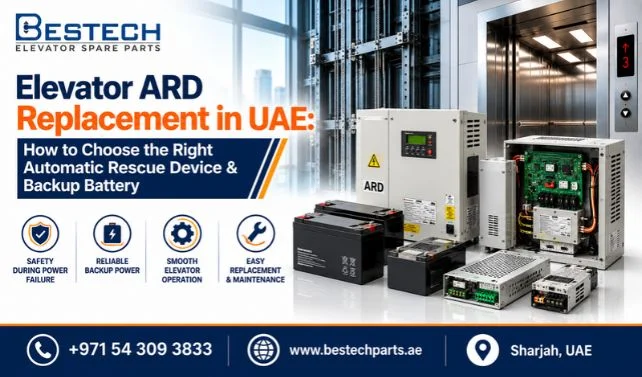
5. ARD Systems
Automatic Rescue Device (ARD) systems safely move passengers to the nearest floor during a power outage. Replacement may become necessary if backup batteries fail, rescue operations become unreliable, or diagnostic tests indicate system faults.
Signs Your Hyundai Elevator Spare Parts Need Replacement
Most elevator components show warning signs before they completely fail.
Watch for these common indicators:
- Frequent breakdowns may indicate that multiple components are reaching the end of their service life.
- Slow or noisy door operation signals worn rollers, door drives, or sliders.
- Incorrect leveling may point to problems with the encoder, sensors, or control system.
- Error codes can help identify specific component failures before they become major issues.
- Sudden stops or jerky movement indicate problems with the inverter or motor.
- Rising maintenance costs suggest that reactive repairs are replacing a preventive maintenance approach.
How to Choose the Right Hyundai Elevator Spare Parts
Selecting the right replacement parts is essential for maintaining elevator performance and safety.
OEM-Compatible vs. Aftermarket Parts
OEM parts are designed for an exact fit and long service life. High-quality aftermarket components can also be suitable when sourced from reputable suppliers.
Compatibility
Always verify that the replacement part matches the exact Hyundai elevator model, controller version, and technical specifications.
Product Quality & Durability
Choose components manufactured using durable materials and tested to meet industry standards. Invest in parts that meet international safety standards. High-quality Hyundai elevator spare parts can help lower the total cost of ownership over the long term.
Availability
Working with a supplier that maintains sufficient stock reduces downtime during emergency repairs and scheduled maintenance. Companies looking for elevator spare parts UAE should prioritize suppliers with a comprehensive inventory and proven industry experience.
Why Buy Hyundai Elevator Spare Parts from a Reliable UAE Supplier?
Choosing the right supplier is just as important as selecting the right component.
Wide Product Availability
Reliable suppliers maintain a comprehensive inventory of Hyundai elevator spare parts, making procurement easier and reducing lead times.
Genuine Components
Reputable suppliers provide genuine or certified compatible parts that meet established safety and performance standards.
Technical Support
Experienced suppliers offer expert guidance on part selection, troubleshooting, and maintenance to help keep elevators operating efficiently.
Faster Delivery
Local suppliers help reduce downtime by providing faster access to replacement parts. Whether you need Hyundai lift spare parts in the UAE for routine maintenance or emergency repairs, working with a nearby supplier can make a significant difference.
Consistent Quality
Established suppliers follow strict quality control processes to reduce the risk of premature component failure.
Many suppliers also stock replacement parts for multiple global elevator brands. Sourcing spare parts from a single trusted supplier helps simplify procurement and maintain consistent quality.
FAQ
1. Which Hyundai elevator parts require replacement most frequently?
PCB boards, door locks, inverters, sensors, push buttons, display boards, contactors, door wheels, and sliders are the most commonly replaced components.
2. How often should elevator spare parts be inspected?
Replacement schedules depend on usage, operating conditions, and manufacturer recommendations.
3. Can I use aftermarket parts?
Yes, aftermarket parts can be a suitable option if they meet the required safety and quality standards.
4. What are the warning signs of failing elevator components?
Frequent breakdowns, noisy doors, leveling problems, controller error codes, jerky movement, and increasing maintenance costs are common indicators.